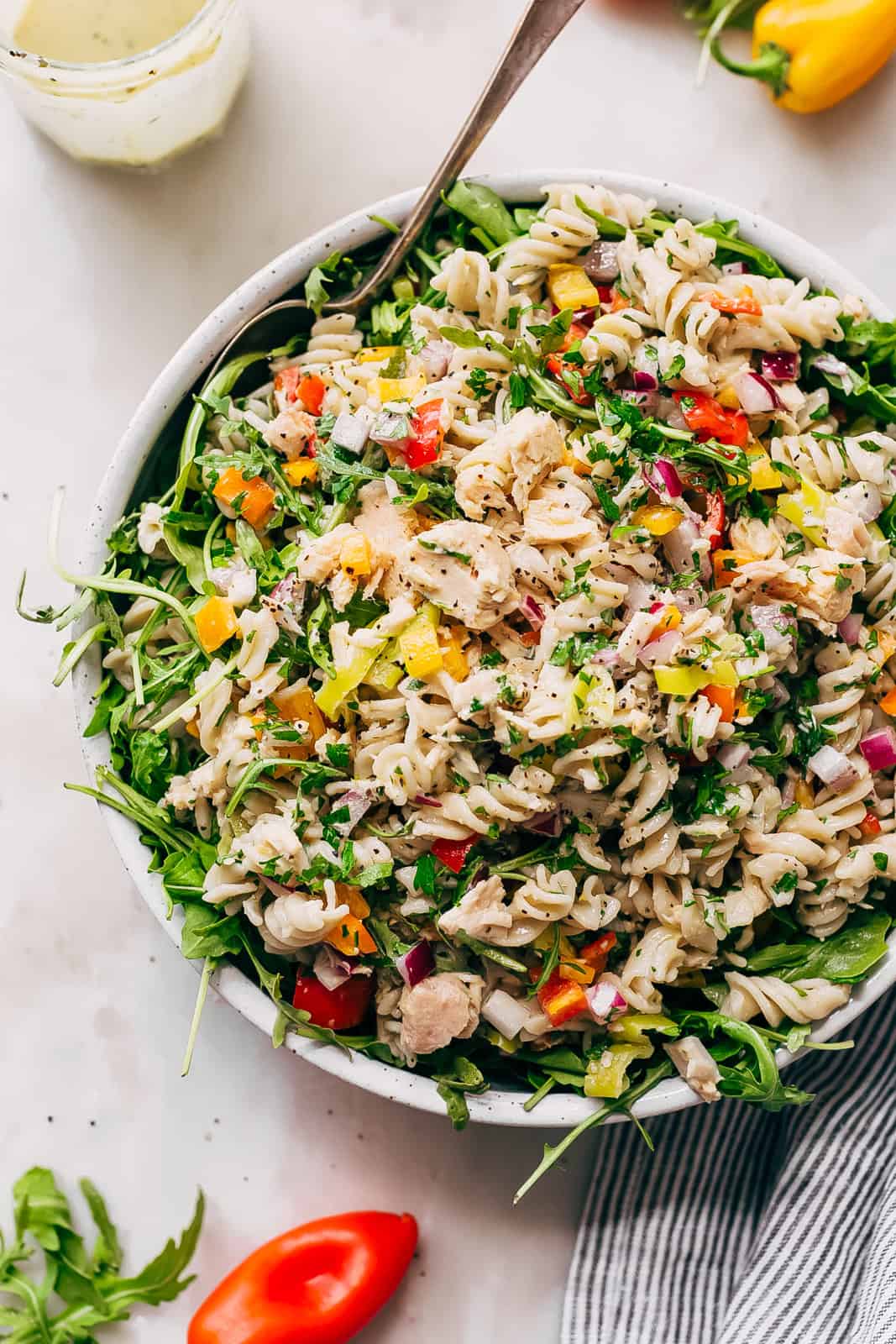
Pantry Powerhouse: Quick Tuna Pasta with Olives and Fresh Tomatoes
In the bustling rhythm of modern life, the search for a delicious, satisfying, and quick meal often feels like an impossible quest. But what if we told you that culinary magic could happen in your kitchen in under 20 minutes, leveraging the humble heroes residing in your pantry? Enter the tuna pasta with olives – a vibrant, flavourful dish that transforms simple ingredients into a gourmet experience. This isn't just another weeknight meal; it's a testament to the power of well-chosen staples, offering a fresh take on classic Italian comfort food without breaking the bank or your schedule. Imagine a dish that’s both wonderfully pungent and refreshingly zesty, a delightful dance of briny olives, robust tuna, and the bright burst of fresh tomatoes, all tied together with a squeeze of lemon. This particular recipe is a clever nod to the traditional Italian Pasta Alla Puttanesca, reimagined for simplicity and approachability. We swap out the anchovies for readily available tuna and forgo a heavy tomato sauce in favour of the sheer brightness of fresh tomatoes. The result? A beginner-friendly, budget-conscious dinner that delivers on taste and convenience, proving that a truly satisfying meal is always within reach. If you're looking for more speedy options, explore our Minute Tuna Pasta: Easy Italian Weeknight Meal with Olives.Why This Tuna Pasta with Olives Dish Deserves a Spot in Your Rotation
This isn't just about speed; it's about smart cooking and flavour maximization. The beauty of this tuna pasta with olives lies in its strategic use of pantry essentials and fresh accents. Here’s why it’s a true powerhouse:- Unbeatable Speed: With most ingredients coming straight from the cupboard, prep time is minimal, making it perfect for those frantic weeknights when you need a wholesome meal on the table fast.
- Pantry & Budget-Friendly: Canned tuna, dried pasta, and jarred olives are economical staples. Adding fresh tomatoes and a lemon elevates the dish without requiring expensive or exotic items.
- Bursting with Flavour: The combination of savoury tuna, salty olives, sweet-tart tomatoes, aromatic garlic, and a zing of fresh lemon creates a complex flavour profile that’s incredibly satisfying. It’s hearty yet surprisingly light.
- Healthy & Wholesome: Tuna provides essential omega-3 fatty acids, while olives and fresh tomatoes are packed with antioxidants. It’s a balanced meal that supports a Mediterranean-inspired diet.
- Adaptable: Easily customized with additional vegetables or spices, this dish is versatile enough to suit various preferences and whatever you have on hand.
The Heart of the Dish: Ingredients & Smart Choices
While the recipe is simple, selecting the right ingredients can truly elevate your tuna pasta with olives.Choosing Your Tuna
The star of the show, tuna, comes in a few forms. For this recipe, good quality canned tuna is key.
- Oil-Packed Tuna: Often preferred by chefs for its superior flavour and texture. Tuna packed in olive oil tends to be more moist and tender, and the oil itself can be used to start your sauce, adding depth.
- Water-Packed Tuna: A lighter option, excellent if you’re monitoring fat intake. Be sure to drain it well to avoid a watery sauce.
Whether you choose albacore, skipjack, or yellowfin, opt for solid or chunk varieties for better texture in the final dish.
Olive Selection: A Briny Touch
Olives are the pungent counterpoint to the tuna. Their briny, earthy notes are non-negotiable.
- Kalamata Olives: Deep purple, almond-shaped, with a rich, fruity flavour. A popular choice that adds significant character.
- Black Olives (like Gaeta or Mission): Milder and softer, offering a gentler saltiness.
- Green Olives (like Castelvetrano or Manzanilla): Can bring a buttery or sharp note, depending on the variety.
Choose pitted olives for convenience, or pit them yourself for maximum flavour.
The Freshness Factor: Tomatoes
Our recipe specifically calls for fresh tomatoes to achieve a bright, "un-sauced" quality. My personal preference leans towards a chunkier, fresher texture rather than a smooth puree.
- Cherry or Grape Tomatoes: Halved, they burst with sweet juice when gently cooked, providing incredible freshness.
- Roma or San Marzano Tomatoes: If using canned, opt for whole peeled varieties that you can crush or roughly chop yourself. This allows you to control the chunkiness and avoids the overly smooth texture of puréed tomatoes.
The seasonality of tomatoes can influence your choice; in summer, fresh is unbeatable, while good quality canned tomatoes are a reliable alternative year-round.
Pasta Perfected
The type of pasta you choose significantly impacts how the sauce clings.
- Rigatoni or Penne: These tubular shapes are excellent for scooping up the chunky sauce, ensuring every bite is full of tuna and olives.
- Fusilli or Farfalle: Other short, textured pastas like fusilli (spirals) or farfalle (bow ties) also work beautifully, trapping the delicious bits of the sauce within their nooks and crannies.
Mastering the Perfect Tuna Pasta with Olives: Essential Cooking Tips
Achieving culinary excellence with this dish is all about technique, especially when it comes to the pasta itself. For more in-depth advice, check out Unlock Flavor: Italian Tuna & Olive Pasta Cooking Tips.The Art of Cooking Pasta
Cooking pasta might seem straightforward, but a few Italian secrets can elevate your dish:
- Ample Water is Key: Always use a generous amount of water. A good rule of thumb is 4 cups (1 litre) of water for every 3.5 ounces (100 grams) of pasta. This allows the pasta to cook evenly and prevents it from sticking. Use a large pot to prevent overflow, as pasta expands significantly when cooked.
- Salt the Water Like the Sea: Add salt only when the water has reached a rolling boil, never before. Approximately 7 grams of salt per litre of water is ideal. This seasons the pasta from within, making it flavourful on its own.
- Maintain a Rolling Boil: Once the pasta is added, bring the water back to a boil and keep it there. Stir frequently to prevent sticking and ensure uniform cooking. Cover the pot to bring the water to a boil faster, but remove the lid once pasta is added.
- Al Dente is the Goal: This Italian phrase means "to the tooth" – the pasta should be firm but still have a slight bite to it. Nothing diminishes a pasta dish more than mushy pasta. If you plan to toss the pasta with the sauce in a pan (which we recommend for this recipe), cook it at least one minute less than the package directions, as it will continue to cook slightly in the sauce.
- Never Rinse Pasta: Resist the urge to rinse freshly drained pasta under cold water. This stops the cooking process and, more importantly, washes away the starch that helps the sauce cling to the pasta. If making a cold pasta salad, simply drizzle with a little olive oil to prevent sticking as it cools.
- Reserve Pasta Water: This is a chef's secret! Before draining, scoop out about a cup of the starchy pasta water. It’s liquid gold for your sauce, helping to emulsify it, create a silken texture, and bind everything together beautifully.
Building the Flavourful Sauce
With your pasta cooking, turn your attention to the quick sauce:
- Aromatic Base: Start with a good glug of olive oil in a skillet. Gently sauté minced garlic and, if you like a little kick, some red pepper flakes until fragrant. Be careful not to burn the garlic!
- Tomatoes First: Add your fresh, halved cherry or grape tomatoes. Let them cook down slightly, bursting open to release their juices. If using canned diced tomatoes, let them simmer briefly to warm through.
- Tuna and Olives Last: Stir in the drained tuna and olives. Since canned tuna is already cooked, you only need to warm it through and allow the flavours to meld. Overcooking tuna can make it dry.
- Bring it Together: Add the al dente pasta directly into the skillet with the sauce. Ladle in some of that reserved pasta water, tossing vigorously. This creates a glossy, emulsified sauce that coats every strand of pasta.
- Finishing Touches: Remove from heat and stir in fresh lemon zest and a generous squeeze of lemon juice. A handful of fresh chopped parsley or basil adds an incredible layer of freshness. Finish with another drizzle of high-quality extra virgin olive oil.
